
Report
WWL: Concept Note
When We Lead is a multi-state initiative to unlock Medicaid as an engine for youth mental health transformation, so care reaches kids earlier, where they are, from people they trust.
Read more →
When We Lead is a multi-state initiative that connects young people with community and system leaders to unlock Medicaid as an engine for youth mental health transformation.
When We Lead grew out of a youth-led initiative at the California Children's Trust to center young people's voices.
of Americans call children’s mental health a “national emergency”
It’s time to sharpen our pencils; to listen to, learn from, and build consensus among young people, communities, providers, payers, and systems, and change the rules for the better.
Our work is grounded in five strategies that serve as an emerging blueprint for statewide youth mental health transformation.
Expand medical-necessity and eligibility criteria so a clinical diagnosis is no longer a precondition for care and support.
Modernize provider qualifications to include and reimburse peers, community health workers, youth navigators, and cultural healers, meeting young people where they are.
Treat schools as essential community providers, so every health plan (including both Medicaid and commercial) is required to reimburse for services delivered in schools.
Low-income Americans interact with the healthcare system 12 to 15 times on average in the first three years of their child’s life. Leverage routine well-child visits and school-based hubs to support children and caregivers together, preventing crises before they start.
Advance intensive, family-led wraparound care for the small number of children with the most complex needs, keeping them in their homes and out of the foster care, justice, and hospital systems.
Financing runs underneath all five strategies: capturing every available federal dollar establishes durable funding streams for community-led healing.
When We Lead is a multi-state initiative to unlock Medicaid as an engine for youth mental health transformation, so care reaches kids earlier, where they are, from people they trust.
Read more →There is an emerging national consensus on the policy areas that drive meaningful reform for youth mental health.
Read more →Community Health Workers (CHW) provide face-to-face preventive health services.
Read more →These new provider classes help address provider shortages, diversify the workforce, promote delivery system reform, and honor lived experience by creating pathways to family-sustaining employment.
Read more →This guide aims to help CBO leaders, such as executive directors and program directors, think through the various reform opportunities and help them decide if pursuing CalAIM services makes sense for their organization from a mission and financial perspective.
Read more →The Children and Youth Behavioral Health Initiative (CYBHI) Multi-Payer Fee Schedule is the closest thing to a single-payer behavioral health ecosystem for youth mental health services that exists nationwide.
Read more →In this brief, we discuss Medi-Cal’s new benefits and services and how organizations with experience serving the child welfare community can leverage the expanded Medi-Cal provider classes to become contracted health care providers.
Read more →In this paper we show how a set of relatively straightforward and common-sense reforms can increase the number of children served, improve cultural congruence, and reduce the burden placed on young people to receive the care they need.
Read more →This guide helps people working at community-based organizations & doulas who want to become Medi-Cal providers and need to enroll in the PAVE portal.
Read more →We partner with young people, community-based organizations, advocacy groups, and state Medicaid leaders, using a dual-leadership model that pairs national technical expertise with local partners, to advance change in these states.
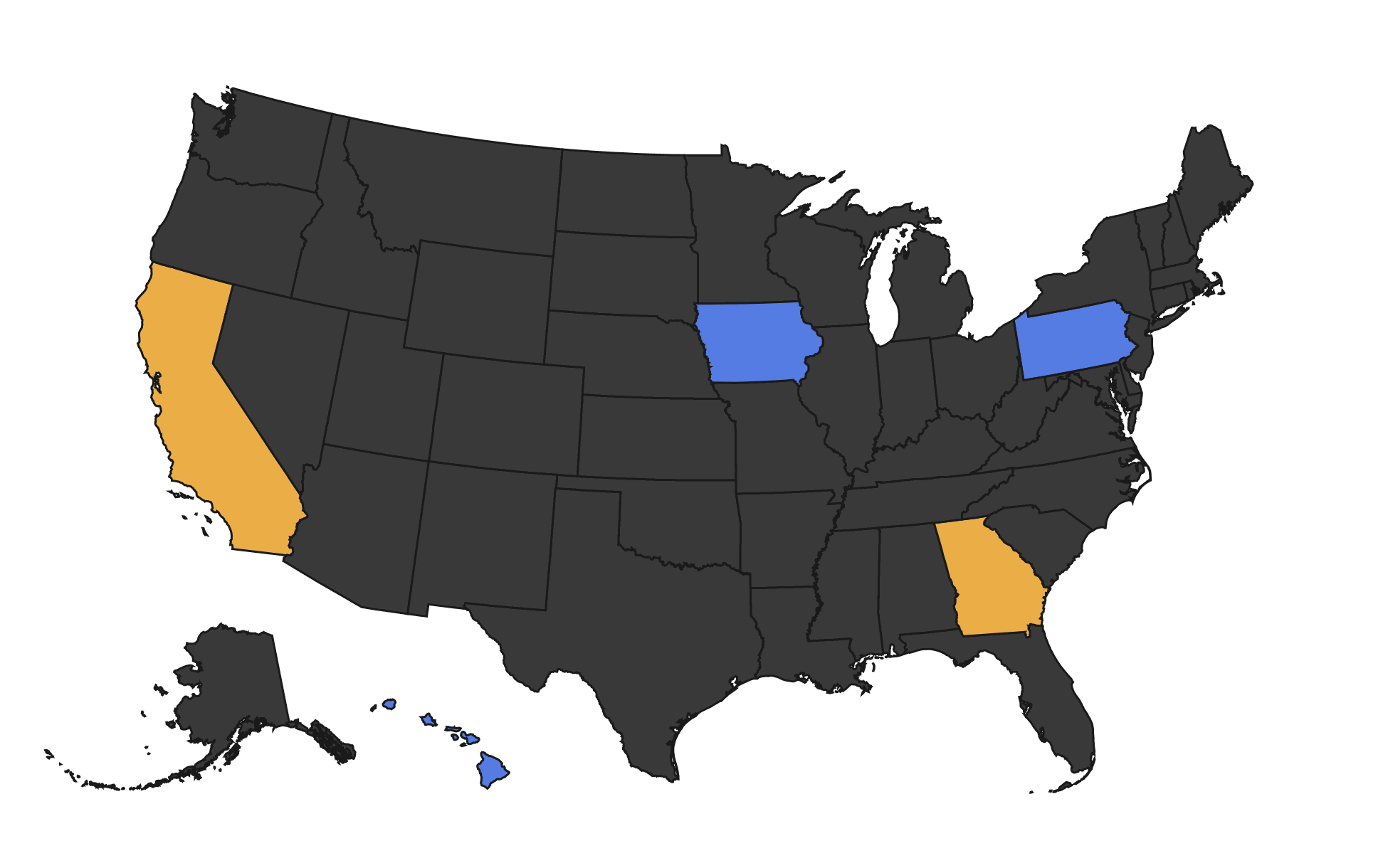
Over the last several years, we have made significant progress influencing and shaping key changes in red and blue states. We are now expanding efforts to Hawai’i, Iowa, and Pennsylvania.



When We Lead is generously supported by the Arthur M. Blank Family Foundation, LSP Family Foundation, Pinterest, the Georgia Mental Health Funders Collaborative, The Harry and Jeanette Weinberg Foundation, Gerbode Foundation, and Hope Lab.